Posted on Thursday 5 November 2026
New survey results reinforce the need to deliver on the National Cancer Plan for young cancer patients
Young Lives vs Cancer responds to the Under-16 Cancer Patient Experience Survey
The results from the sixth Under 16 CPES (published 29 October 2026), combined with data for 16–24-year-olds (published earlier this year), give insight into experiences across England for those receiving care over the last year.
Children and young people, and their families, are the experts on their experience of cancer, so it is crucial that the NHS and wider system that supports them hears directly from them, and importantly, acts on their feedback.
This is why the Under 16 Cancer Patient Experience Survey (CPES) is important. Every year, children under 16 and their parents or carers in England complete the survey to share feedback about their care. Young people age 16-24 also share their feedback by completing the National CPES.
Results show that overall, of those surveyed, parents and carers rated their child’s care at an average score of 9 out of 10, and 88% scored it 8 or higher. Young people surveyed (16-24) rated their care at an average of 8.5 out of 10, with 79% scoring it 8 or higher.
Also positively, most children (78%) and parents and carers (84%) surveyed continue to be provided with information about charities, like Young Lives vs Cancer, who they can talk to – highlighting the value of charity support. Young Lives vs Cancer believes every family should routinely receive specialist charity support from diagnosis and throughout their treatment and care.
However, whilst overall care is rated highly, the results show that there continues to be areas where significant improvement is needed, particularly in receiving a diagnosis, accessing financial support, psychosocial support and post-treatment support.
For example, of those who reported needing mental health or psychological support at diagnosis, 44% of children did not receive support. Also, around a third of young people and parents or carers reported not receiving enough information about the financial help and benefits they might be entitled to following diagnosis.
The National Cancer Plan, published in February this year, commits to improving earlier diagnosis and ensuring all children and young people have access to high-quality and age-appropriate psychosocial care throughout treatment and beyond.
Young Lives vs Cancer says now is the time for ambitious progress on these commitments to deliver the support young cancer patients need, when they need it. The charity stands ready to support the UK Government in this mission.
Responding to the results, Rachel Kirby-Rider, Chief Executive at Young Lives vs Cancer, says; “It is essential that children and young people with cancer, and their families, are truly listened to so that they receive the care and support they need.
“While it’s great that overall care is rated highly and many receive specialist support from charities like Young Lives vs Cancer, there are crucial areas where improvement is needed, and these have been evident in the CPES data for a number of years.
“We need to see a focus on tackling the real-life, every day impacts cancer has on children, young people and families – from the significant financial impacts driving tough decisions every day, to the emotional impacts that last long after treatment and require dedicated support.
“These challenges can only be addressed together – UK Government must work with charities and act on the clear feedback young cancer patients have been giving for years, and deliver on the commitments set out in the National Cancer Plan to improve experiences and outcomes.”
Getting a Diagnosis
When asked about receiving their diagnosis, two in five children and over two in five young people (45%) in the CPES still report seeing their GP three or more times about their cancer symptoms before receiving a diagnosis, compared to the majority of adults (62%) seeing their GP just once. Around a third of parents and carers also report that the diagnosis was not communicated sensitively enough or not fully understandable.
Throughout their diagnosis experience, they go through a distressing and uncertain journey, knowing something isn’t right, worrying about worsening illness, and a fear they’re not being heard, which can leave a lasting impact.
It’s vital that signs and symptoms of cancer in children and young people are spotted as early as possible, and crucially that children and young people are listened to, taken seriously, and diagnosed in the right way, at the right time.
Psychosocial Support
Of the children and young people surveyed who reported needing mental health or psychological support at diagnosis, 44% did not receive it. In addition, 43% of children, 40% of young people, and 40% of parents and carers surveyed were not given information about a psychologist or counsellor that they could talk to about their or their child’s cancer. These gaps in support are concerning given the significant emotional and mental health impacts cancer has on young cancer patients and their families. The survey also highlights disruption to education; only 8% of respondents said their child’s education had not been affected by cancer, with around two-thirds reporting their child had missed education because of cancer.
We must now see intentional delivery on the National Cancer Plan’s commitments to standardise and improve psychosocial support for all children and young people, including access to psychological support where needed.
Financial Support
Around a third of young people and parents or carers surveyed did not receive enough information about the financial help and benefits they might be entitled to following their child’s diagnosis. Understanding the financial support available as soon as possible is a vital lifeline for many, as our research shows the additional costs of cancer impact immediately, and average an extra £700 every month. We continue to call on UK Government to provide access to disability benefits from the point of diagnosis, to end the delays children, young people and families experience, and ensure they get the financial support they need, when they need it.
Support After Treatment
Around two in five parents or carers still report needing more ongoing support after treatment ends, with the numbers reporting receiving enough support falling from the previous year. This continues to highlight concerns we often hear from young cancer patients and families, of a “cliff edge” in support once treatment ends, or not being able to access the right support easily. It’s crucial that the National Cancer Plan’s commitment to improving psychosocial support post-treatment is implemented effectively.
Travel to Treatment
The results continue to highlight the lengthy travel burden for children, young people and their families to access their treatment and care, with 35% reporting they travelled over an hour to do so. These lengthy travel times are driven by needing to regularly travel to one of 14 specialist Principal Treatment Centres in England, which are usually far from home and an average 80-mile round-trip away. Our research shows that on average they travel 350 miles every month, costing around £250 every month, with seven in 10 struggling to meet the costs of their travel.
Young Lives vs Cancer continue to work with the UK Government on implementing the Travel Fund for children and young people with cancer, following our long-term campaigning and commitment in the National Cancer Plan. The Travel Fund will be in place in 2027.
The full CPES and Under 16 CPES results are available online.
Related Posts
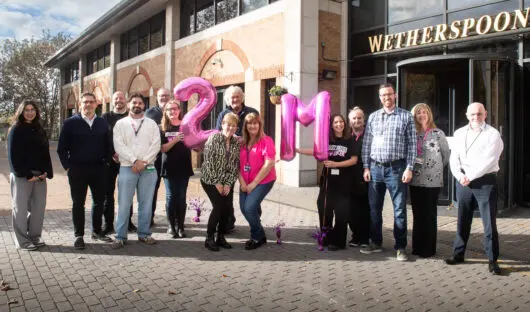
J D Wetherspoon partnership with Young Lives vs Cancer raises more than £2 million in a single year
Record-breaking fundraising by staff and customers marks a new milestone in the partnership supporting children and young people with cancer
Young Lives vs Cancer partners with Ditto to help relieve emotional burden for parents repeating their child’s cancer updates multiple times per day
Ditto has worked with Young Lives vs Cancer and their lived experience Voice Board so the support the app provides matches the challenges families face.