Children and young people share their experience in new survey
In 2023, Young Lives vs Cancer and partners commissioned research by Dartington Service Design Lab and findings, later published in the State of System report, found that cancer has a lasting negative impact on children and young people’s wellbeing with gaps in support – including financial and mental health support – both during and after treatment.
Results from a survey published today, Wednesday 8 July 2026 by Young Lives vs Cancer of almost 500 young people and families who have experienced cancer in the past five years, indicates that nothing has changed.
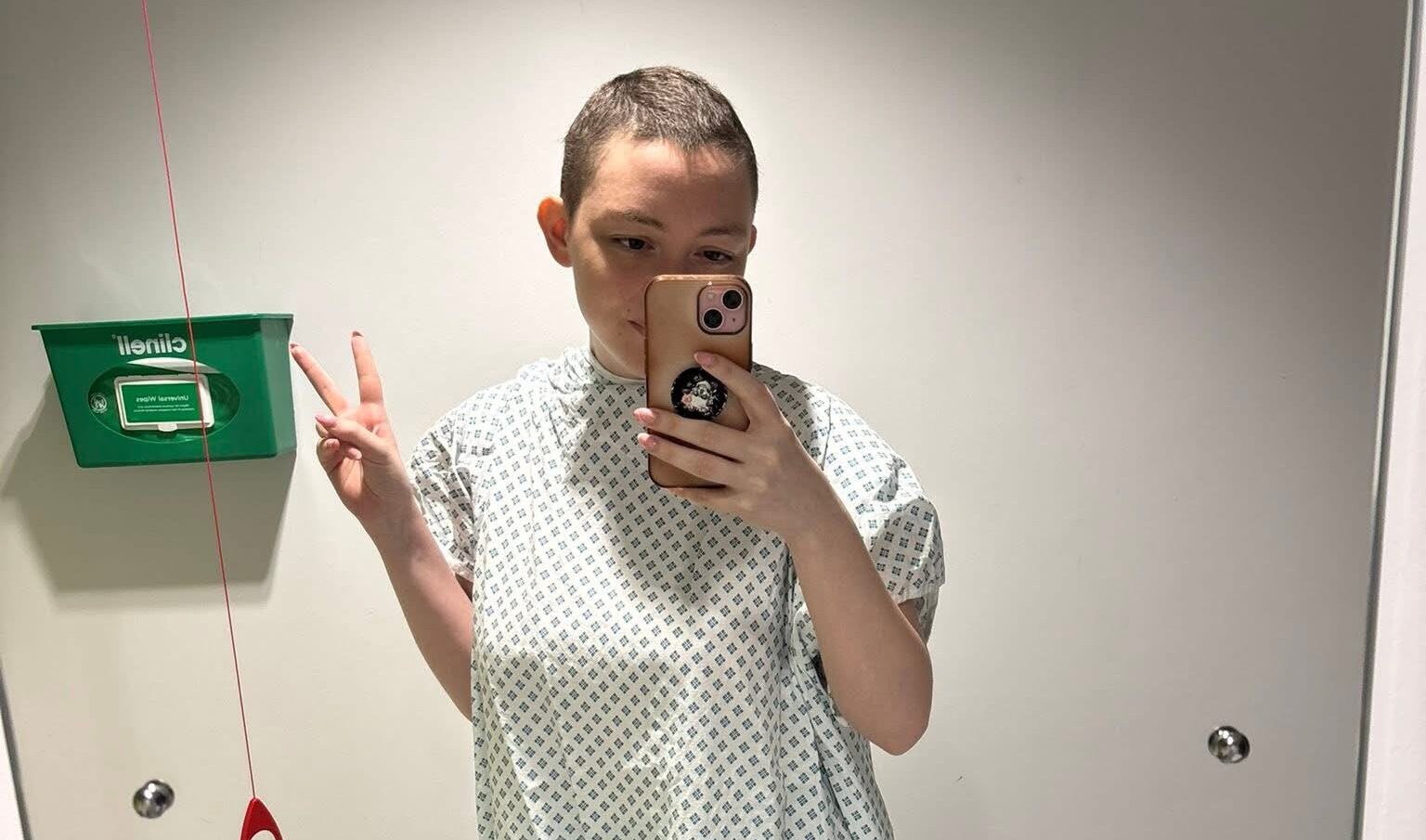
Beth was diagnosed with cancer at 24 years old
The State of the System research found 13% of young people who responded reported low life satisfaction, compared to just under 5% of the general population (Office of National Statistics). In the new survey, this figure has risen to 22%, indicating there is an increase in young people with cancer experiencing low life satisfaction.
Similarly, within the State of the System research, 46% of young people reported high levels of anxiety. This is mirrored in the new research with 44% of survey respondents reporting high levels of anxiety.
The charity also found that parents, carers and siblings are more than twice as likely as the general population to experience high levels of anxiety, with over 50% reporting high levels of anxiety in the new survey.
Guilherme, Carmela, Beth and Elodie all received a cancer diagnosis in the last five years and took part in the survey. Here they share the impact cancer has had on them and their experience.
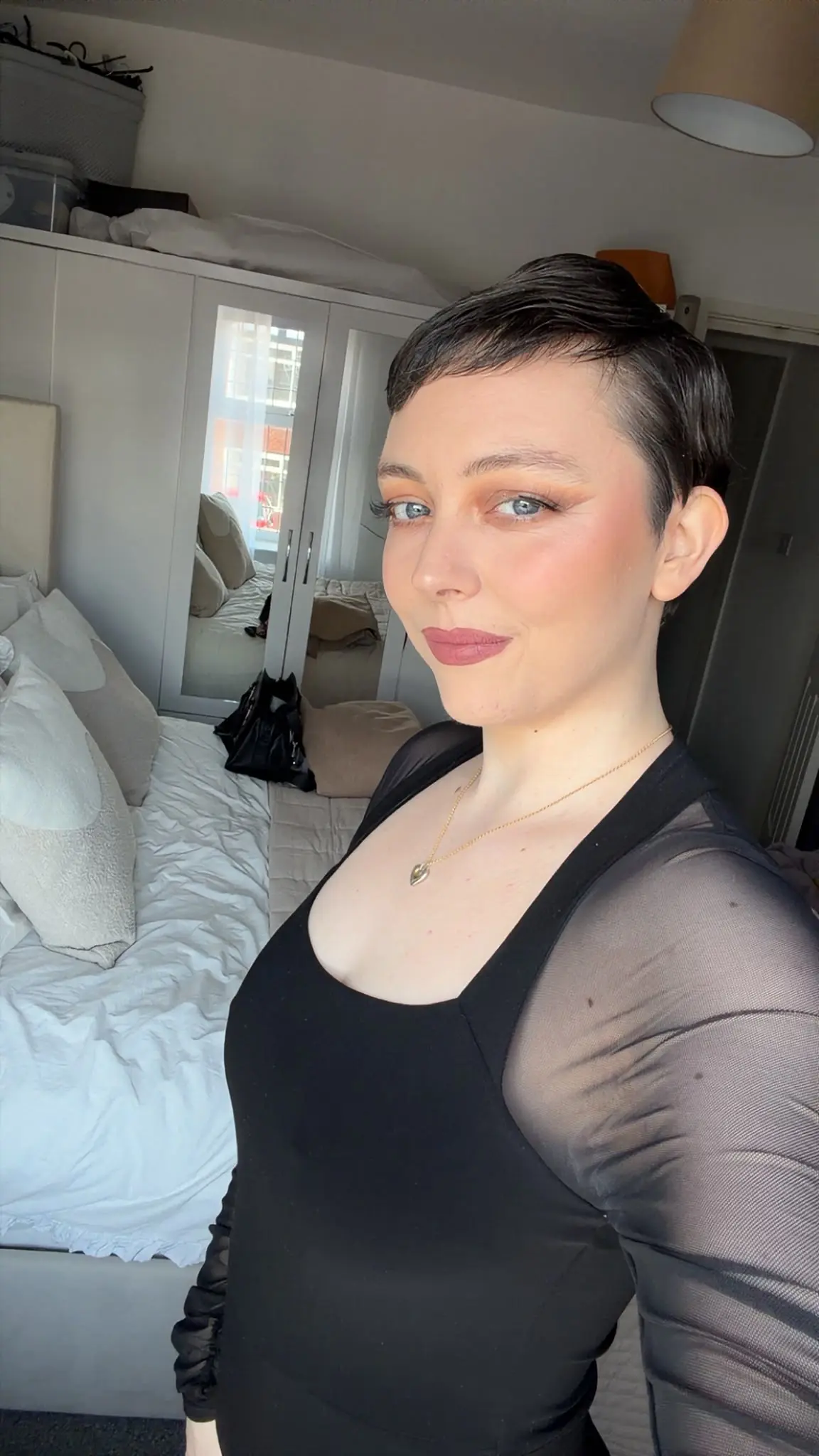
Beth’s Young Lives vs Cancer specialist social worker was a source of support both financially and emotionally throughout Beth’s treatment.
Beth
Beth was diagnosed with cancer at 24 years old – she had part of her treatment in Manchester which meant her and her mum faced a huge impact to their finances and on their wellbeing, as they were often far from friends and family at home.
“It’s a really scary time because you’re thrown into a medical world with absolutely no warning and you have to adapt whilst trying to process your diagnosis and what that means for your future.”
Very soon after, Beth started treatment nearby home and was in hospital regularly.
“I had to go to the hospital at least twice a week for regular bloods and other tests, we were advised not to use public transport but neither me or my mom drove so we had to pay for a taxi each time which was around £30 each way. This had a massive impact on us as we don’t have much spare income in the household.”
Beth had to spend a lot of time in hospital and, even while at home, often couldn’t go out as she had a low immune system, she shares how this had an impact on her wellbeing.
“My friends and boyfriend were still going out and doing things and I just felt left out. I understood why I couldn’t go out as I had no immune system and I was really unwell from chemo, but it didn’t stop my thoughts from spiralling as I saw everyone getting on with their lives when mine had stopped. I also had times where I didn’t understand what I’d done wrong to get cancer and for a while I went into a dark place mentally, but my social worker and medical team stepped in to assist and helped me work through my feelings in regard to this.”
Beth’s Young Lives vs Cancer specialist social worker was a source of support both financially and emotionally throughout Beth’s treatment.
“Without that support, my cancer journey would have looked very different as I did struggle mentally and I wouldn’t have had a sounding board and I think ultimately I would have stopped treatment as I found it all mentally challenging; but it was reassuring to have someone on the end of the phone who understood and was able to step in.”
Guilherme
Guilherme, 24, was diagnosed with Hodgkin’s lymphoma and has been receiving treatment at John Radcliffe hospital in Oxford. During this time, he had to travel long distances to hospital for treatment, often spending over £100 a month on taxis.
With no family in the UK, he often felt isolated during long stays in hospital.
“Although the world keeps going, you’re left on your own and unable to do the things you like. The whole process prevents you from taking part in even the small pleasures in life, and there’s nothing you can do for months on end. The anticipation is also unbearable, everything during the process is surrounded by so much uncertainty, you cannot help but always go back to worst case scenarios constantly.”
He says how this impact can continue even once treatment has ended: “You’re unable to shake off the overwhelming notion that something terrible will happen, you refrain from travelling, from making new friends and meeting new people, and you keep isolating yourself “just in case” because you don’t want to expose people to it all.
“It took me over half a year to “go back” to normal me (to some degree) only to relapse and have to go through it all over again.”
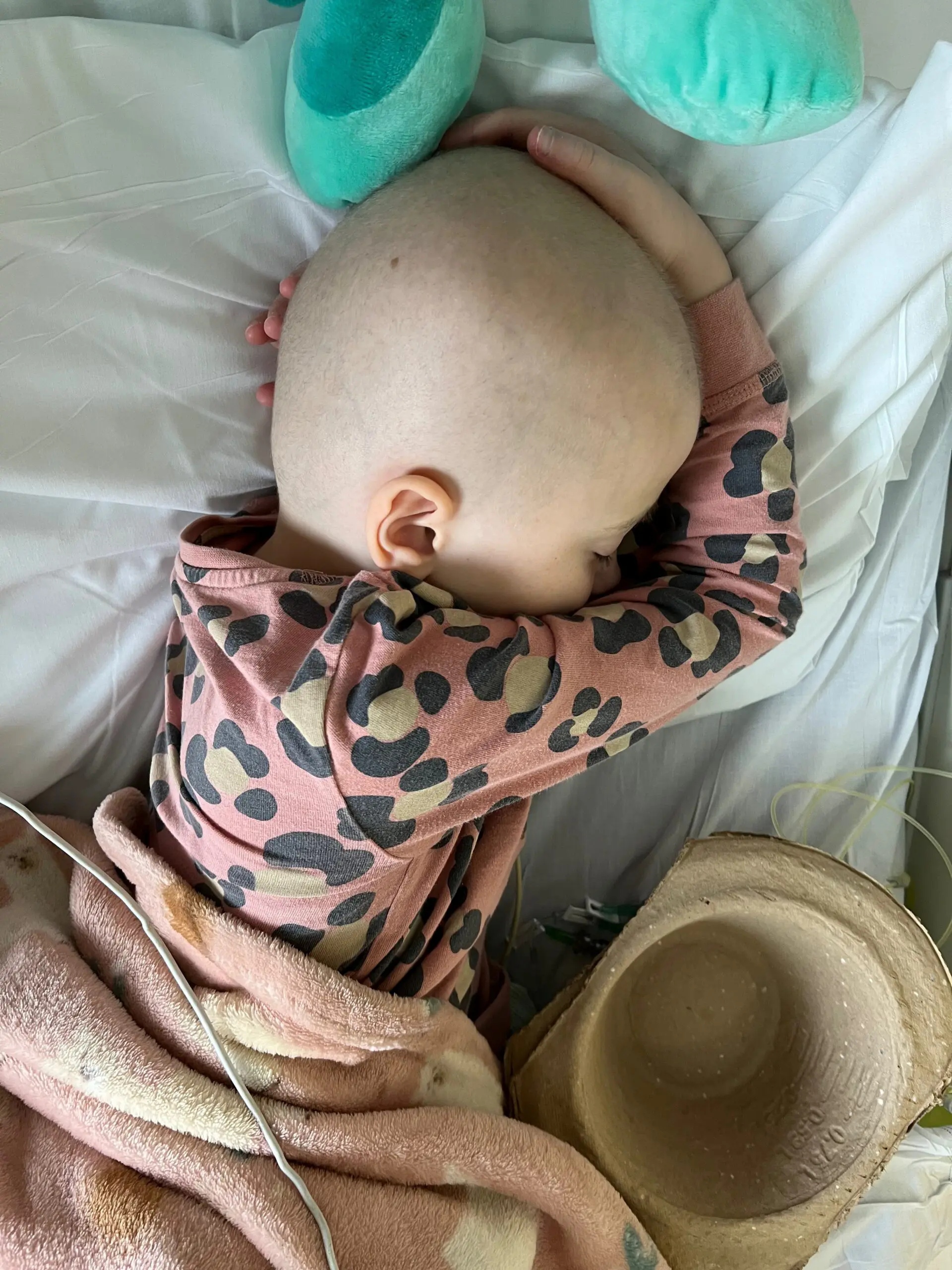
Elodie was diagnosed with leukaemia at age six
Elodie
Elodie was diagnosed with leukaemia at age six after an uncertain two-month back and forth and different diagnoses. During treatment her family faced long journeys to Alder Hey, as well as extra food and travel costs, and financial pressure while waiting for support such as DLA.
Young Lives vs Cancer Social Worker Ffion, provided emotional and practical support, signposting the family to charities and helping them feel less alone.
Elodie’s dad Chris said: “Without Ffion’s support, it would have been lonely. They made it a much more uplifting experience and show you you’re not alone. They’re amazing.”
Elodie is now doing well after treatment, though the experience had a lasting emotional impact on the whole family – “The stress had an impact on us as a family. Life was very hard for us.”
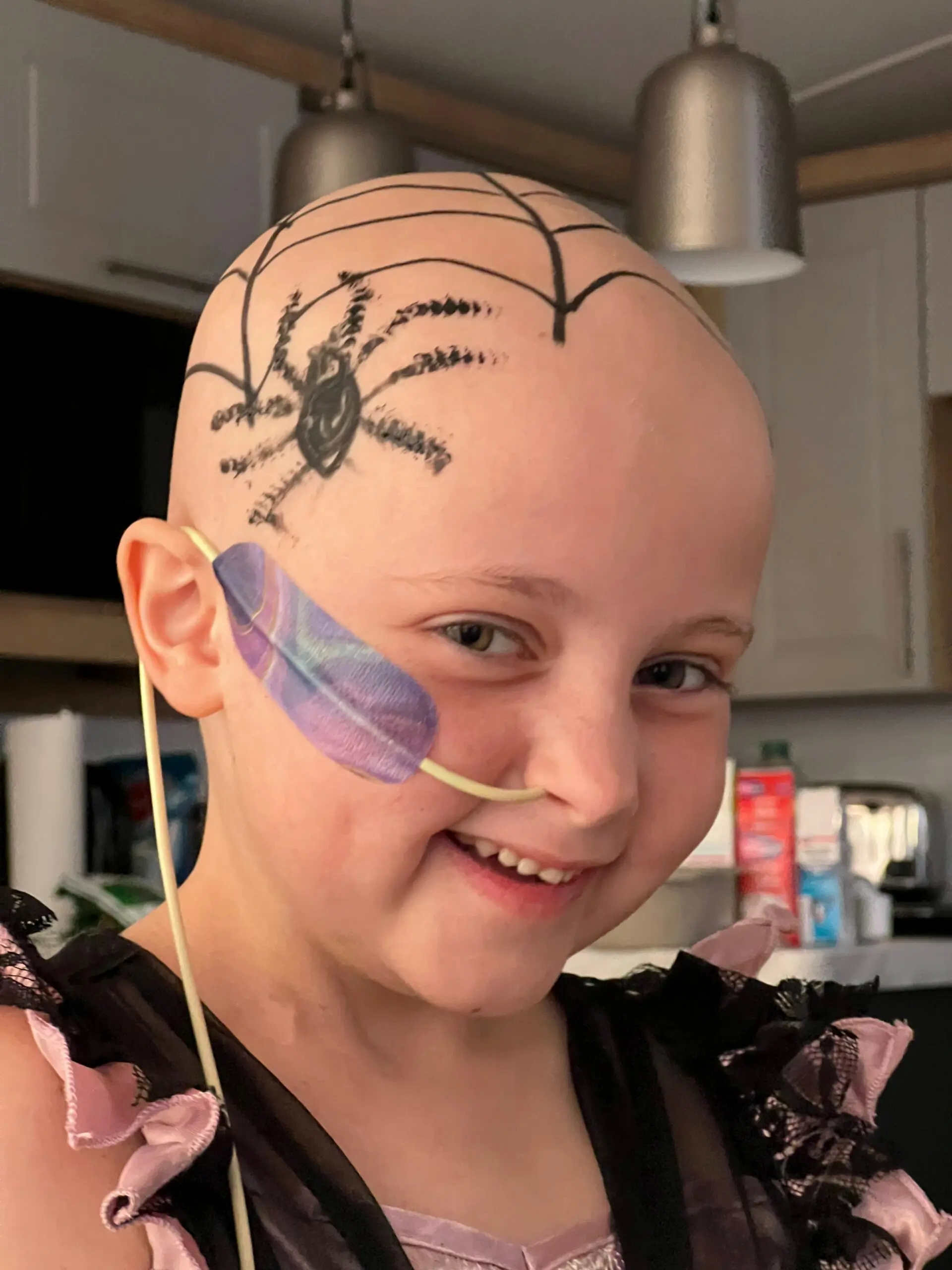
Elodie and her family were supported by a Young Lives vs Cancer Specialist Social Worker
Carmela
When Carmela, 20, was diagnosed with cancer at 17 years old, she and her family had to pay out for various extra costs including travelling down to London for specialist scans and appointments. During this time, Carmela was away from her friends and often felt quite isolated.
“Everything happened so fast, I was at home one day and then the next day I was told I needed to have emergency surgery because of a tumour. Being diagnosed with cancer at 17 meant missing out on a lot of normal teenage experiences, and I often felt isolated from other people my age.”
She says that as well as feeling isolated at the time, she felt the impact of this once treatment had finished as well: “During the time at the hospital everything was focused on getting better so that I could go home, but afterwards I had to adjust back to normal life while still processing everything that had happened.” Her parents would juggle being at hospital with her and at home with her brother too.
“My dad was the only one working too so it was quite hard financially. It meant I was quite lonely sometimes. I was also referred to specialists in London so we had to commute to London quite a bit for scans and appointments.”
She was supported by Young Lives vs Cancer throughout her treatment: “I don’t think my experience could have been as manageable without that support. It helped to take some of the pressure off my family, both financially and emotionally, and made me feel less alone during a very difficult time.”
No young person should face cancer alone. Stand with us here.Posted on Wednesday 8 July 2026
Related Posts
“Say that again”
Young Lives vs Cancer partners with Ditto to reduce the burden of sharing cancer updates
Hassan’s story
Hassan was 19 and in his second year at university when he was diagnosed with acute myeloid leukaemia (AML).
Lucy’s story
Lucy went through eight months of chemotherapy and surgery. But the sport she loved before cancer has opened the door to an exciting new chapter.